


How Status Is Communicated Without Words
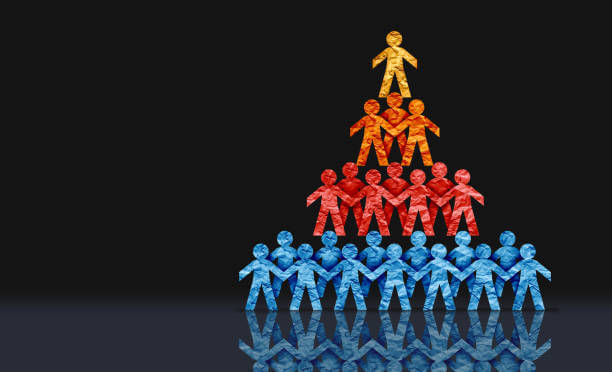
Status is one of the most powerful organizing forces in human interaction, yet it is rarely expressed directly. People seldom announce their rank, authority, or social standing in explicit terms. Instead, status is communicated through a complex system of nonverbal signals—subtle cues embedded in posture, tone, timing, and behavior. These signals operate continuously, shaping how individuals are perceived and how they relate to one another.
Understanding how status is conveyed without words is essential for navigating professional environments, social hierarchies, and everyday interactions. It reveals that status is not only a fixed attribute tied to position or wealth, but also a dynamic process performed and interpreted in real time.
The Foundations of Nonverbal Status
The foundations of nonverbal status lie in the human ability to rapidly interpret social hierarchies through behavior rather than explicit communication. Long before complex language developed, humans relied on visual and auditory cues to assess dominance, cooperation, and threat within groups. This evolutionary background shaped a cognitive system that is highly sensitive to subtle differences in posture, movement, tone, and attention.
Nonverbal status signals function as efficient shortcuts. Instead of negotiating hierarchy through direct statements, individuals unconsciously broadcast their relative position through observable behavior. At the same time, others continuously interpret these signals, forming impressions about confidence, authority, and competence within seconds. This process happens automatically and often without conscious awareness.
Several communication channels work together to create these impressions. Body language is one of the most immediate, including posture, gestures, and movement patterns. An open, relaxed stance often signals confidence, while closed or tense positions suggest uncertainty. Eye behavior adds another layer, as the ability to maintain or control eye contact can influence perceptions of authority and engagement.
Vocal characteristics also contribute to status signaling. Tone, pace, and clarity of speech can communicate control or hesitation. A steady, measured voice tends to signal composure, while irregular or rushed speech may indicate lower confidence. These cues operate even when the content of speech remains neutral.
Another important element is the allocation of attention. In social interactions, attention functions as a limited resource. Individuals who receive more attention are often perceived as higher status, while those who actively seek validation may appear lower in the hierarchy. This dynamic is especially visible in group settings.
The key to nonverbal status lies in the integration of these signals. When multiple cues align consistently, they reinforce a clear perception of status. When they conflict, observers tend to rely more heavily on nonverbal cues, highlighting their fundamental role in social perception.
Body Language and Physical Presence
Body language and physical presence are among the most immediate and influential components of nonverbal status communication. Before any words are spoken, posture, movement, and spatial behavior create a strong first impression about confidence, authority, and control. These signals are processed rapidly and often unconsciously, shaping how others respond in an interaction.
Posture is a primary indicator. Individuals perceived as high status tend to adopt open, upright positions. Their shoulders are relaxed, their stance is stable, and their movements appear deliberate rather than reactive. This physical openness signals comfort and a lack of defensiveness, suggesting that the person feels secure in their environment. In contrast, low-status signals often involve contraction—slouching, crossed arms, or minimizing one’s physical footprint—indicating hesitation or self-protection.
Movement further reinforces these impressions. High-status individuals typically move with intention. Their gestures are controlled and purposeful, avoiding excessive or erratic motion. They do not rush unnecessarily, which conveys a sense of control over time and circumstances. Slower, more measured movements can signal that the individual is not under pressure, a subtle but powerful indicator of status.
Physical presence also includes how space is occupied. People who are perceived as higher status tend to take up space naturally, without appearing forced or exaggerated. They may lean back comfortably, position themselves centrally in a group, or use gestures that extend outward. These behaviors communicate ease and ownership of the environment.
Importantly, these signals must appear natural to be effective. Overly exaggerated attempts to project confidence can come across as performative or insecure. Authenticity and consistency across behaviors are what create a convincing sense of presence.
Ultimately, body language and physical presence function as a nonverbal declaration of how individuals relate to their surroundings. They signal whether a person feels in control, equal, or subordinate, shaping social dynamics before any explicit communication occurs.
Eye Contact and Attention
Eye contact and attention are central mechanisms through which status is communicated in social interactions. They regulate engagement, signal confidence, and subtly establish control without the need for explicit statements. Because humans are highly sensitive to gaze and focus, these cues carry significant weight in how hierarchy is perceived.
Sustained, steady eye contact is commonly associated with confidence and composure. Individuals who can maintain eye contact without appearing tense or confrontational tend to be perceived as more self-assured. This does not mean constant staring, but rather a controlled and natural pattern of engagement that reflects comfort in the interaction. In contrast, frequent avoidance of eye contact can signal uncertainty, deference, or lack of confidence.
However, status is not determined solely by maintaining eye contact—it is shaped by control over it. High-status individuals often dictate the rhythm of visual engagement. They decide when to initiate eye contact, how long to hold it, and when to disengage. This subtle control communicates authority, as it suggests they are not dependent on the other person’s approval or reaction.
Attention functions as a parallel signal. In any interaction, attention is a limited resource, and its distribution reflects perceived importance. Individuals who naturally attract and hold attention are often viewed as higher status. They do not need to compete for focus; it is given to them. Conversely, those who actively seek attention—interrupting frequently or over-explaining—may be perceived as lower in status.
In group settings, these dynamics become more pronounced. The person others look at while speaking, or defer to for reactions, typically holds greater influence. This collective focus reinforces their position within the hierarchy.
Together, eye contact and attention create a feedback loop. Control over gaze signals confidence, which attracts attention, and receiving attention further reinforces perceived status.
Voice, Tone, and Speech Patterns
Voice, tone, and speech patterns are critical channels through which status is conveyed, often more influential than the content of speech itself. These vocal cues signal confidence, authority, and emotional control, shaping how messages are received regardless of what is being said.
A key indicator of status is vocal stability. High-status individuals tend to speak with a steady, controlled tone, avoiding unnecessary fluctuations. Their speech is measured, with deliberate pacing that suggests they are not under pressure to respond quickly. This sense of composure communicates confidence and command over the interaction. In contrast, rushed or uneven speech can signal nervousness or a lack of control, lowering perceived status.
Pacing and pauses also play an important role. Strategic pauses give the impression of thoughtfulness and control, allowing the speaker to emphasize key points. Speaking too quickly, on the other hand, may indicate anxiety or a desire to fill silence, which can reduce perceived authority. Silence, when used effectively, becomes a tool rather than a gap.
Pitch and volume contribute additional layers. A moderately lower pitch is often associated with authority and calmness, while excessive variation can suggest emotional reactivity. Volume should be balanced—too soft may signal insecurity, while too loud can appear compensatory or aggressive. Controlled projection, where the voice is clear without being forceful, tends to convey confidence.
Clarity and brevity further reinforce high-status communication. Individuals who express ideas concisely signal that they understand their message and do not need to over-explain. Overly complex or prolonged explanations can create the impression of uncertainty or a need for validation.
Conversational control is another factor. High-status speakers often guide discussions subtly, choosing when to speak, when to listen, and how to transition topics. They are less likely to interrupt impulsively, instead influencing the flow through timing and precision.
Together, these vocal elements form a coherent signal of status, shaping perception through delivery rather than explicit assertion.

Space and Positioning
Space and positioning are powerful nonverbal signals that communicate status by shaping how individuals relate to their physical environment and to others within it. Without speaking, people reveal confidence, authority, or deference through how they occupy space, choose positions, and manage distance.
One of the clearest indicators of status is spatial claim. Individuals perceived as high status tend to occupy space comfortably and without hesitation. They position themselves in ways that suggest ease and entitlement to the environment—sitting centrally, facing others directly, or choosing locations that provide visibility and access. These choices signal that they expect to be seen and engaged with. In contrast, lower-status positioning often involves the periphery—sitting off to the side, avoiding central positions, or physically minimizing one’s presence.
Distance also plays a role. High-status individuals often control interpersonal space, deciding how close or far to stand from others. They maintain a distance that feels natural and unforced, signaling that they are not seeking approval or validation. Standing too close can appear intrusive, while standing too far away may suggest discomfort or disengagement. The ability to calibrate distance appropriately reflects social awareness and confidence.
Orientation and alignment further reinforce status. Facing others directly, maintaining an open stance, and aligning the body toward the center of interaction suggest engagement and authority. Angled or closed positioning, such as turning away or shielding the body, can indicate withdrawal or lower confidence.
Territorial behavior is another subtle signal. Placing objects on a shared surface, spreading out materials, or leaning back into space communicates a sense of ownership and control. These actions, when natural, reinforce the perception that the individual is comfortable within the environment.
Ultimately, space and positioning function as silent indicators of how individuals perceive their place within a social hierarchy, influencing how others respond before any words are exchanged.
Timing and Behavioral Pace
Timing and behavioral pace are subtle but powerful indicators of status, shaping how individuals are perceived in terms of control, confidence, and authority. Unlike more visible cues such as posture or voice, timing operates in the structure of interaction itself—how quickly someone responds, how they manage pauses, and the rhythm they establish in communication.
High-status individuals tend to operate at a controlled, deliberate pace. They are less reactive and more selective in their responses, which signals that they are not pressured by external demands. Pausing before answering a question, for example, can convey thoughtfulness and composure. This measured timing suggests that the individual is evaluating information rather than reacting impulsively, reinforcing a sense of authority.
In contrast, low-status signals often involve urgency or over-responsiveness. Immediate replies, rapid speech, or quick reactions can indicate a need to please or a lack of control over the interaction. While responsiveness is not inherently negative, excessive speed can reduce perceived confidence by implying dependence on others’ expectations.
Control over conversational timing is equally important. High-status individuals often influence when conversations begin, shift, or end. They introduce topics, allow silence when appropriate, and transition between subjects with intention. This ability to set the tempo of interaction positions them as a central figure in the exchange.
Delays can also function as status signals, but only when used appropriately. A slight delay in responding can suggest independence, while excessive delay may be interpreted as disengagement or disorganization. The key is calibration—aligning timing with context while maintaining a sense of control.
Ultimately, behavioral pace communicates how individuals relate to time itself. Those who appear unhurried and deliberate signal that they are in control of their environment, while those who seem rushed or reactive may be perceived as subordinate within the interaction.
Appearance and Symbolic Signals
Clothing, grooming, and overall presentation function as symbolic indicators of status. These elements communicate information about resources, attention to detail, and alignment with social norms.
High-status signals in appearance are not necessarily about extravagance. In many contexts, subtlety and appropriateness carry more weight than overt displays of wealth. Well-fitted clothing, clean design, and consistency with the environment often signal confidence and awareness.
Symbols such as titles, brands, or affiliations can also convey status, but their effectiveness depends on recognition by others. Without shared understanding, symbolic signals lose their meaning.
Consistency and Congruence
One of the most important aspects of nonverbal status communication is consistency. When signals across different channels align—posture, voice, timing, and behavior—they reinforce one another, creating a coherent impression.
Inconsistency, by contrast, undermines credibility. For example, confident language paired with nervous body language creates ambiguity. Observers tend to trust nonverbal cues more than verbal ones, so mismatches often result in lower perceived status.
Congruence is particularly important in leadership contexts, where credibility depends on the alignment between message and behavior.
Status as a Dynamic Interaction
Status is not fixed; it is negotiated continuously through interaction. The same individual may display high status in one context and lower status in another, depending on expertise, environment, and social dynamics.
Group interactions often involve subtle shifts in status. Individuals may defer to others with specialized knowledge, then reclaim influence in different areas. These shifts are managed largely through nonverbal communication rather than explicit statements.
Understanding this dynamic nature allows individuals to adapt their behavior to different contexts without relying on formal authority.
Conclusion
Status is communicated constantly, often without conscious awareness. Through body language, eye contact, voice, spatial behavior, timing, and appearance, individuals signal their relative position within a social hierarchy.
These signals are powerful because they operate beneath the level of explicit language. They shape perception quickly and influence how others respond. Recognizing and understanding them provides insight into the hidden structure of social interaction.
Ultimately, status is not just something people have—it is something they express and interpret in every interaction.


Comments